Cod: A Staple of the Seas with a Storied Past


Marine Biology
Cod: A Staple of the Seas with a Storied Past

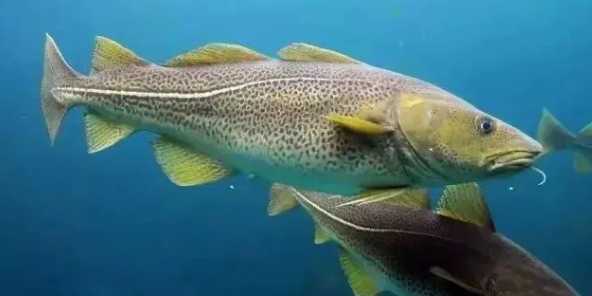
Cod, scientifically known as Gadus morhua and also commonly referred to as Alaska pollock or walleye pollock, is a species that has long held significance in the world's oceans. Revered for its economic value and ecological role, this fish has been a mainstay in the diets and economies of many coastal communities.


Native to the cold waters of the North Atlantic and North Pacific Oceans, cod features an elongated, streamlined body. It typically grows to a length of around 60-120 centimeters, though larger specimens have been recorded. Its coloration varies, with a dorsal side that can range from greenish - brown to gray, often adorned with darker spots, and a lighter, almost white ventral side. This color pattern provides effective camouflage against the seabed, allowing it to blend in while hunting for prey. Cod is an opportunistic predator, feasting on a diverse diet that includes small fish, crustaceans like shrimp and crabs, and various types of zooplankton.

Cod has played a pivotal role in human history. For centuries, it has been a prime target for commercial fishing, with its firm, mild - flavored flesh making it a popular choice in kitchens worldwide. In regions like the North Atlantic, cod fishing formed the backbone of local economies. However, overfishing in the 20th century led to a drastic decline in cod populations. In 1992, Canada even declared a moratorium on cod fishing off its northeastern Atlantic coast after stocks plummeted, putting thousands out of work. Since then, conservation efforts, such as setting fishing quotas and establishing marine protected areas, have been implemented to help the species recover. Although the road to full recovery is still long, these measures have shown some positive signs, with cod populations slowly starting to rebuild in certain areas. As a species deeply intertwined with both marine ecosystems and human livelihoods, the future of cod remains a subject of great importance and ongoing conservation efforts.
 
 
Latest Stories
Travel News2 minute readIntroduction The Nord-Pas de Calais Mining Basin in northern France, once the beating heart of Europe's Industrial Revolution, now captivates the world with its unique story of industrial heritage revival. Spanning 120,000 hectares, this former coal mining hub was inscribed on the UNESCO World Heritage List in 2012 for its 109 preserved industrial sites and ecological restoration marvels.
Entertainment News1 minute readKatrina Kaif, a British-born actress who has made her mark in the industry, is celebrated for a beauty that defies easy description—one that leaves onlookers captivated.
Social News1 minute readThe longest country name ever recorded was that of a now-defunct state: the "Great Socialist People's Libyan Arab Jamahiriya." This lengthy title, used from 1977 to 2011, reflected the political ideology and structure under Muammar Gaddafi’s rule.
Social News1 minute readTajikistan, a 140,000-square-kilometer nation in Central Asia, grapples with stark poverty and systemic corruption. A surreal 2016 scandal saw billions in state funds vanish after being allocated to construction projects—exposing the grim reality of one of Asia’s poorest countries, with a GDP per capita of just $1,271.
Social News1 minute readPakistan, a South Asian nation with vast lands and nearly 240 million people, faces severe economic hardships, leaving millions of families in dire straits. The World Bank reports nearly a quarter of its population lives below the poverty line, with many households earning less than $100 monthly. Its GDP per capita stands at $1,461, while rising living costs make daily expenses unmanageable.
Car Information1 minute readOne of automotive history’s most iconic nameplates, the classic Mini, serves as the perfect canvas for retro modification projects. A recent collaboration between Callum (led by design legend Ian Callum) and Wood & Pickett brings together modern design sensibilities and upgraded chassis engineering, breathing new life into the British icon.
Travel News2 minute readNestled in the heart of the French countryside, the Château de Chantilly stands as a testament to centuries of artistic brilliance and aristocratic grandeur. This architectural marvel, often hailed as a "castle museum," seamlessly blends Renaissance opulence with a world-class collection of art and historical treasures, making it a must-visit destination for culture enthusiasts and history buffs alike.