
Exploring German Cuisine: Three Traditional Dishes That Surprise Foreigners


Life News
Exploring German Cuisine: Three Traditional Dishes That Surprise Foreigners

Germany's culinary heritage is rich with unique and flavorful dishes, but not all of them appeal to every palate. For many foreigners, especially those unaccustomed to certain ingredients or preparation methods, some traditional German foods can be a visual and cultural challenge. Here are three classic German dishes that often leave international visitors both curious and hesitant:

1. Mett – Raw Minced Pork


Source: Images from the Internet, if there is any infringement, please contact the removal of
 
 
Mett is a dish consisting of raw minced pork, typically spread on bread and seasoned with onions and spices, enjoyed as a breakfast or snack in Germany. While beloved by locals as a delicacy, its appearance often "deters" foreigners unaccustomed to eating raw meat.
Why It Sparks Dread: Concerns about food hygiene and the visual impact of pink raw meat make many foreigners hesitant, particularly tourists from Asia or the Americas.
Foreign Reactions: "Is this really safe to eat directly? Isn’t this just the minced meat raw material from the butcher shop?"

2. Blutwurst – Blood Sausage


Source: Images from the Internet, if there is any infringement, please contact the removal of


Blutwurst is a black sausage made from pig’s blood, fat, and grains, typically fried or boiled and served with a soft, tender texture.
Why It Sparks Dread: The use of pig’s blood as a primary ingredient is psychologically challenging for many foreigners, especially in cultures where blood-based foods are stigmatized. Its dark appearance also contributes to its intimidating reputation.
Foreign Reactions: "This looks like a prop from a horror movie. Are we sure it’s edible?"
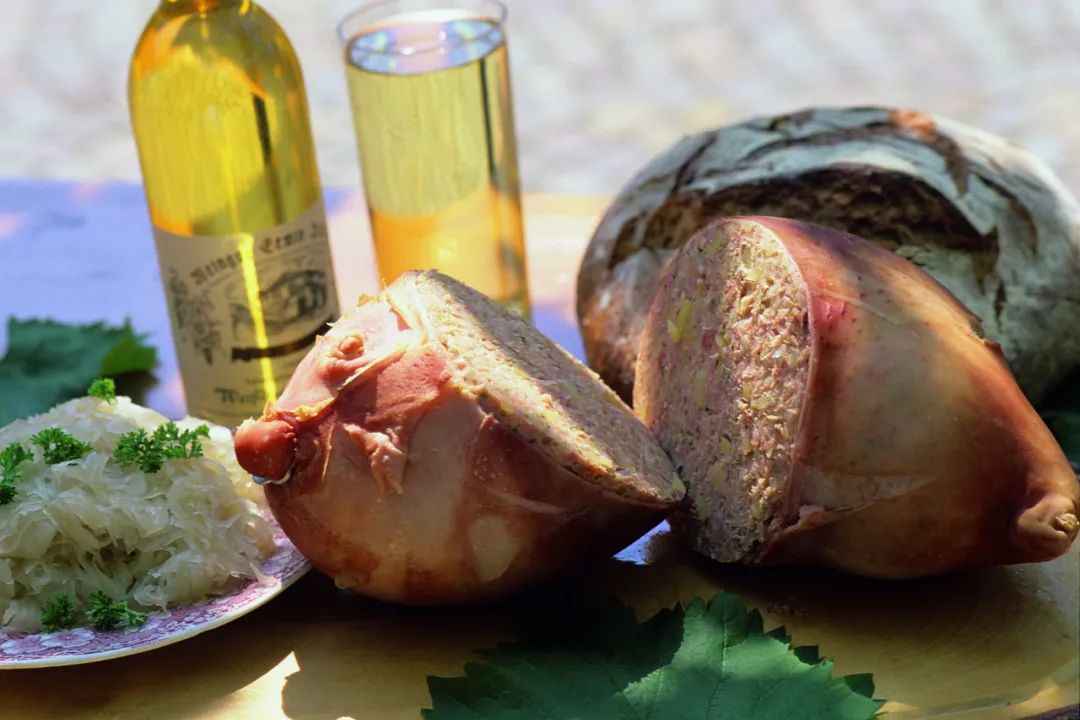
3. Saumagen – Stuffed Pig Stomach


Source: Images from the Internet, if there is any infringement, please contact the removal of


A specialty of the Rhineland-Palatinate region, Saumagen is made by stuffing a pig stomach with sausage meat, potatoes, and spices, then cooking and slicing it.
Why It Sparks Dread: The concept of using a pig stomach as a container is bold for foreigners, who may be put off by the (odor) and texture of offal.
Foreign Reactions: "Eating a stomach? Doesn’t the stuff inside feel like it’s already been ‘processed’ once?"


These dishes highlight the fascinating cultural diversity in food preferences. While they may surprise or even challenge foreign tastes, they remain cherished parts of Germany’s culinary identity, reflecting regional traditions and historical cooking practices. For adventurous eaters, they offer a unique window into the heart of German culture – though newcomers might want to approach them with an open mind (and perhaps a small first bite).


Note: This article is for cultural exchange purposes and does not reflect a judgment on any culinary tradition.

Latest Stories
Travel News2 minute readIntroduction The Nord-Pas de Calais Mining Basin in northern France, once the beating heart of Europe's Industrial Revolution, now captivates the world with its unique story of industrial heritage revival. Spanning 120,000 hectares, this former coal mining hub was inscribed on the UNESCO World Heritage List in 2012 for its 109 preserved industrial sites and ecological restoration marvels.
Entertainment News1 minute readKatrina Kaif, a British-born actress who has made her mark in the industry, is celebrated for a beauty that defies easy description—one that leaves onlookers captivated.
Social News1 minute readThe longest country name ever recorded was that of a now-defunct state: the "Great Socialist People's Libyan Arab Jamahiriya." This lengthy title, used from 1977 to 2011, reflected the political ideology and structure under Muammar Gaddafi’s rule.
Social News1 minute readTajikistan, a 140,000-square-kilometer nation in Central Asia, grapples with stark poverty and systemic corruption. A surreal 2016 scandal saw billions in state funds vanish after being allocated to construction projects—exposing the grim reality of one of Asia’s poorest countries, with a GDP per capita of just $1,271.
Social News1 minute readPakistan, a South Asian nation with vast lands and nearly 240 million people, faces severe economic hardships, leaving millions of families in dire straits. The World Bank reports nearly a quarter of its population lives below the poverty line, with many households earning less than $100 monthly. Its GDP per capita stands at $1,461, while rising living costs make daily expenses unmanageable.
Car Information1 minute readOne of automotive history’s most iconic nameplates, the classic Mini, serves as the perfect canvas for retro modification projects. A recent collaboration between Callum (led by design legend Ian Callum) and Wood & Pickett brings together modern design sensibilities and upgraded chassis engineering, breathing new life into the British icon.
Travel News2 minute readNestled in the heart of the French countryside, the Château de Chantilly stands as a testament to centuries of artistic brilliance and aristocratic grandeur. This architectural marvel, often hailed as a "castle museum," seamlessly blends Renaissance opulence with a world-class collection of art and historical treasures, making it a must-visit destination for culture enthusiasts and history buffs alike.