Lutjanus sebae: The Striped Beauty of Indo-Pacific Reefs


Marine Biology
Lutjanus sebae: The Striped Beauty of Indo-Pacific Reefs

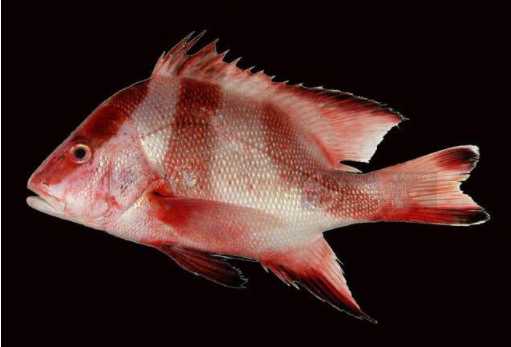
Lutjanus sebae, commonly known as the three-banded snapper, is a striking species within the Lutjanidae family, celebrated for its distinct appearance and adaptability to diverse marine environments. Characterized by a deep, oval-shaped body with a slightly compressed profile, this fish is named for the three broad, dark reddish-brown bands that diagonally cross its sides—markings that are most vivid in juveniles and fade slightly as the fish matures.

Inhabiting coral reefs, sandy-muddy bottoms, and even mangrove estuaries, Lutjanus sebae can be found at depths ranging from 5 to 180 meters across the Indo-Pacific region. Juveniles often seek shelter among sea urchin spines or in the brackish waters of mangrove-lined estuaries, while adults prefer deeper reef structures or open seabeds. As a carnivorous predator, it feeds primarily on fish, shrimp, and other crustaceans, using its sharp teeth and powerful jaws to ambush prey in both reef and soft-sediment habitats.


The species’ range extends from the Red Sea and the eastern coast of Africa to New Caledonia, encompassing northern Australia and southern Japan. In China, it is distributed in the South China Sea, the southern East China Sea, and the coastal waters of Taiwan, including the Penghu Islands. While currently listed as "Least Concern" on the IUCN Red List, Lutjanus sebae faces threats from overfishing, particularly in regions where it is targeted for its firm, flavorful flesh. Destructive fishing practices and coral reef degradation further compromise its habitat. As a key species in reef ecosystems, it plays a role in controlling prey populations and supporting biodiversity. Conservation efforts, including the establishment of marine protected areas and sustainable fishing guidelines, are vital to preserving this iconic snapper and the health of its tropical and subtropical habitats.

Latest Stories
Travel News2 minute readIntroduction The Nord-Pas de Calais Mining Basin in northern France, once the beating heart of Europe's Industrial Revolution, now captivates the world with its unique story of industrial heritage revival. Spanning 120,000 hectares, this former coal mining hub was inscribed on the UNESCO World Heritage List in 2012 for its 109 preserved industrial sites and ecological restoration marvels.
Entertainment News1 minute readKatrina Kaif, a British-born actress who has made her mark in the industry, is celebrated for a beauty that defies easy description—one that leaves onlookers captivated.
Social News1 minute readThe longest country name ever recorded was that of a now-defunct state: the "Great Socialist People's Libyan Arab Jamahiriya." This lengthy title, used from 1977 to 2011, reflected the political ideology and structure under Muammar Gaddafi’s rule.
Social News1 minute readTajikistan, a 140,000-square-kilometer nation in Central Asia, grapples with stark poverty and systemic corruption. A surreal 2016 scandal saw billions in state funds vanish after being allocated to construction projects—exposing the grim reality of one of Asia’s poorest countries, with a GDP per capita of just $1,271.
Social News1 minute readPakistan, a South Asian nation with vast lands and nearly 240 million people, faces severe economic hardships, leaving millions of families in dire straits. The World Bank reports nearly a quarter of its population lives below the poverty line, with many households earning less than $100 monthly. Its GDP per capita stands at $1,461, while rising living costs make daily expenses unmanageable.
Car Information1 minute readOne of automotive history’s most iconic nameplates, the classic Mini, serves as the perfect canvas for retro modification projects. A recent collaboration between Callum (led by design legend Ian Callum) and Wood & Pickett brings together modern design sensibilities and upgraded chassis engineering, breathing new life into the British icon.
Travel News2 minute readNestled in the heart of the French countryside, the Château de Chantilly stands as a testament to centuries of artistic brilliance and aristocratic grandeur. This architectural marvel, often hailed as a "castle museum," seamlessly blends Renaissance opulence with a world-class collection of art and historical treasures, making it a must-visit destination for culture enthusiasts and history buffs alike.