Periophthalmus spp.: The Amphibious "Mud Skippers" of Coastal Ecosystems


Marine Biology
Periophthalmus spp.: The Amphibious "Mud Skippers" of Coastal Ecosystems

Inhabiting the intertidal mudflats and mangrove forests of the Indo-Pacific region, these small fish have evolved remarkable adaptations that blur the line between aquatic and terrestrial life, making them a fascinating subject of ecological study.
Source: Images from the Internet, if there is any infringement, please contact the removal of


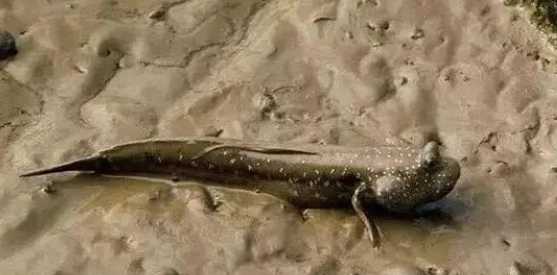
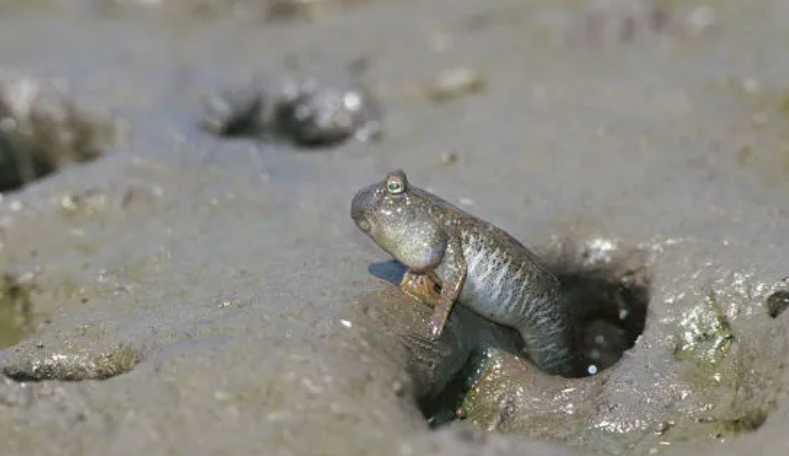
Mud skippers exhibit a streamlined, elongated body that grows up to 15 centimeters in length, with a laterally compressed shape that aids in swimming. Their bodies are covered in tiny, smooth scales and lack a lateral line, a sensory organ common in most fish. The tail fin is broad and rounded, featuring a brownish hue with subtle spotted patterns on the fin rays, which helps them blend into the muddy substrates they frequent. One of their most distinctive features is their pectoral fins, which are highly muscular and adapted for "walking" on land. By using these fins to propel themselves and their tails for balance, mud skippers can leap across mudflats, climb tree roots, and even survive out of water for extended periods by retaining moisture in their gill chambers and skin.


These amphibious fish have a lifespan of approximately two years, during which they navigate the harsh, fluctuating conditions of the intertidal zone. They feed primarily on small invertebrates, algae, and organic detritus, using their sharp teeth to scrape food from surfaces. During low tide, they emerge from the water to forage, often engaging in territorial displays or courtship rituals that involve dramatic leaps and fin movements. Their ability to breathe through their skin and gills when out of water is facilitated by keeping their skin moist, a strategy that allows them to avoid predation by marine creatures and exploit a niche unavailable to fully aquatic species.


Despite their resilience, mud skippers face significant threats from habitat loss due to coastal development, mangrove deforestation, and pollution. These activities destroy the mudflats and mangroves they rely on for survival, disrupting their feeding and breeding grounds. Additionally, they are sometimes harvested for food or the aquarium trade, putting further pressure on local populations. As key indicators of intertidal ecosystem health, mud skippers play a vital role in nutrient cycling and maintaining the balance of mangrove habitats. Conservation efforts, including the protection of mangrove forests and the promotion of sustainable land use practices, are crucial to safeguarding these remarkable creatures and the fragile ecosystems they inhabit.

Latest Stories
Travel News2 minute readIntroduction The Nord-Pas de Calais Mining Basin in northern France, once the beating heart of Europe's Industrial Revolution, now captivates the world with its unique story of industrial heritage revival. Spanning 120,000 hectares, this former coal mining hub was inscribed on the UNESCO World Heritage List in 2012 for its 109 preserved industrial sites and ecological restoration marvels.
Entertainment News1 minute readKatrina Kaif, a British-born actress who has made her mark in the industry, is celebrated for a beauty that defies easy description—one that leaves onlookers captivated.
Social News1 minute readThe longest country name ever recorded was that of a now-defunct state: the "Great Socialist People's Libyan Arab Jamahiriya." This lengthy title, used from 1977 to 2011, reflected the political ideology and structure under Muammar Gaddafi’s rule.
Social News1 minute readTajikistan, a 140,000-square-kilometer nation in Central Asia, grapples with stark poverty and systemic corruption. A surreal 2016 scandal saw billions in state funds vanish after being allocated to construction projects—exposing the grim reality of one of Asia’s poorest countries, with a GDP per capita of just $1,271.
Social News1 minute readPakistan, a South Asian nation with vast lands and nearly 240 million people, faces severe economic hardships, leaving millions of families in dire straits. The World Bank reports nearly a quarter of its population lives below the poverty line, with many households earning less than $100 monthly. Its GDP per capita stands at $1,461, while rising living costs make daily expenses unmanageable.
Car Information1 minute readOne of automotive history’s most iconic nameplates, the classic Mini, serves as the perfect canvas for retro modification projects. A recent collaboration between Callum (led by design legend Ian Callum) and Wood & Pickett brings together modern design sensibilities and upgraded chassis engineering, breathing new life into the British icon.
Travel News2 minute readNestled in the heart of the French countryside, the Château de Chantilly stands as a testament to centuries of artistic brilliance and aristocratic grandeur. This architectural marvel, often hailed as a "castle museum," seamlessly blends Renaissance opulence with a world-class collection of art and historical treasures, making it a must-visit destination for culture enthusiasts and history buffs alike.