

Orcas: The Majestic Apex Predators with a Playful Demeanor
Contrary to their name, orcas—often called killer whales—are the largest members of the dolphin family, inhabiting every ocean on Earth. Ranging from 6 to 9 meters in length and weighing 5 to 6 tons, these marine mammals are formidable apex predators, preying on fish, seals, and even larger whales. Their global distribution and unique social structures make them one of the ocean’s most fascinating species.

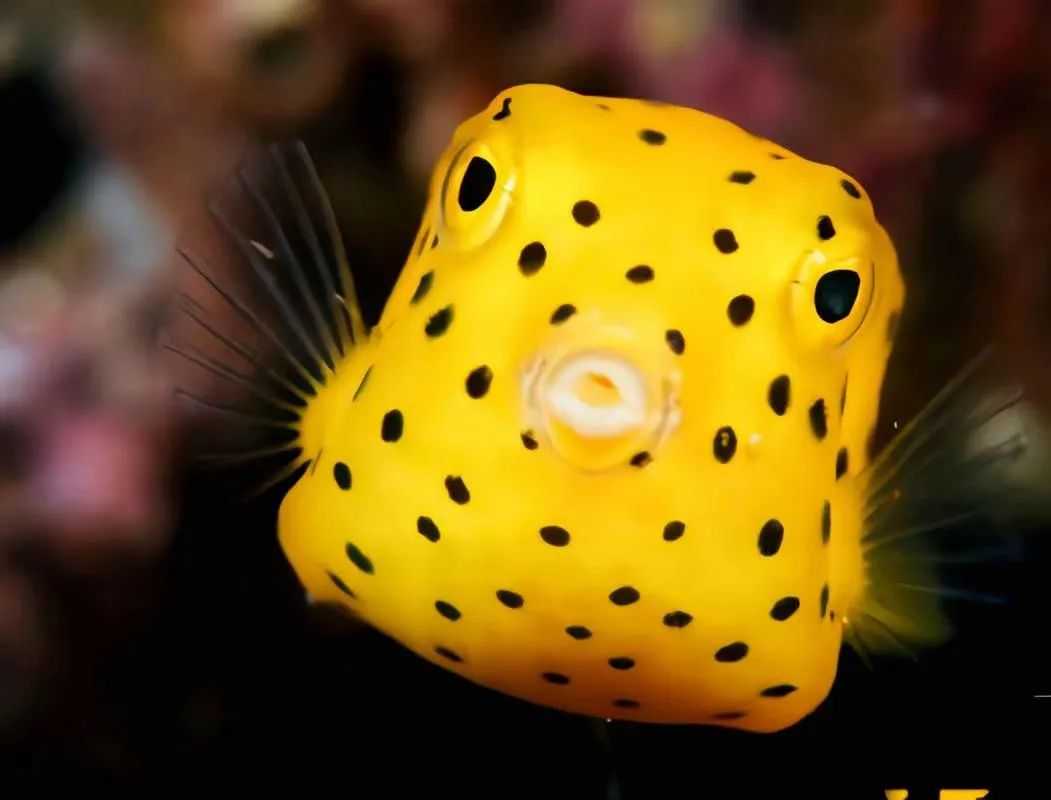
The Quirky Boxfish: A Living Underwater Cartoon in Tropical Reefs
In the vibrant coral reefs of the Indian and Pacific Oceans, the Ostracion cubicus, or "papaya fish," adds a splash of whimsy to the marine world. Growing between 10 to 25 centimeters in length, this tropical inhabitant dwells among coral formations, munching on algae and small invertebrates. Its unique appearance makes it stand out like a character from an animated film.
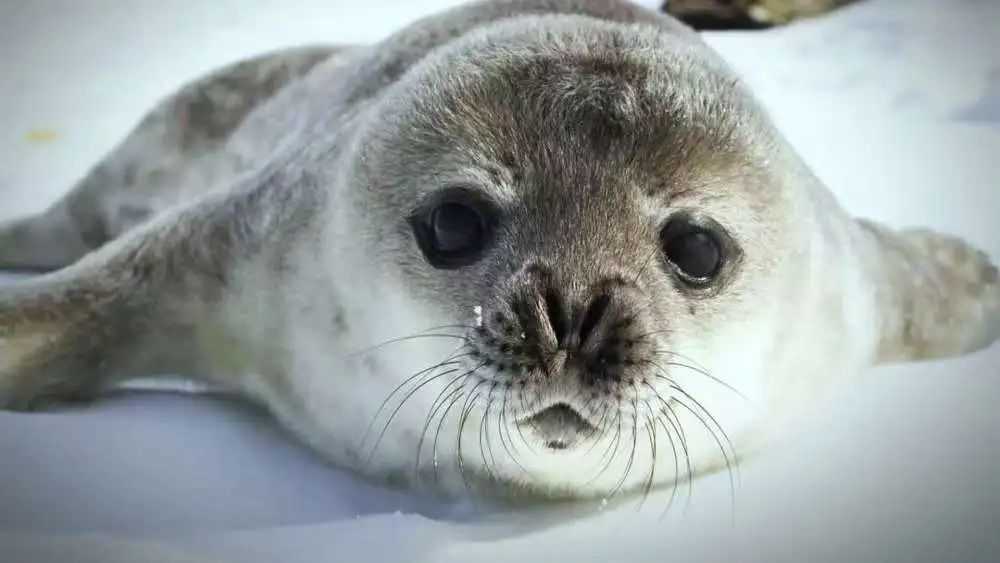
The Enchanting Spotted Seal: A Guardian of Northern Waters
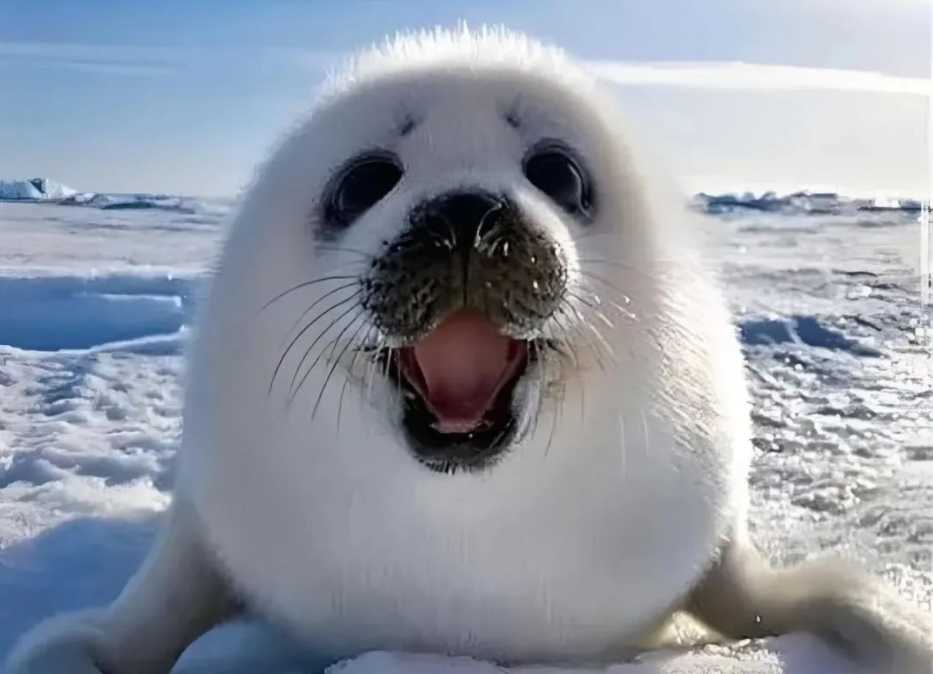
In the temperate seas of the Northern Hemisphere, the spotted seal (Phoca largha) thrives as a charismatic marine mammal. Growing 1.5 to 2 meters in length, this species relies on a diet of fish and shellfish to sustain its life in the ocean’s dynamic ecosystems. As a first-class protected animal in China, it holds a critical place in conservation efforts aimed at preserving marine biodiversity.
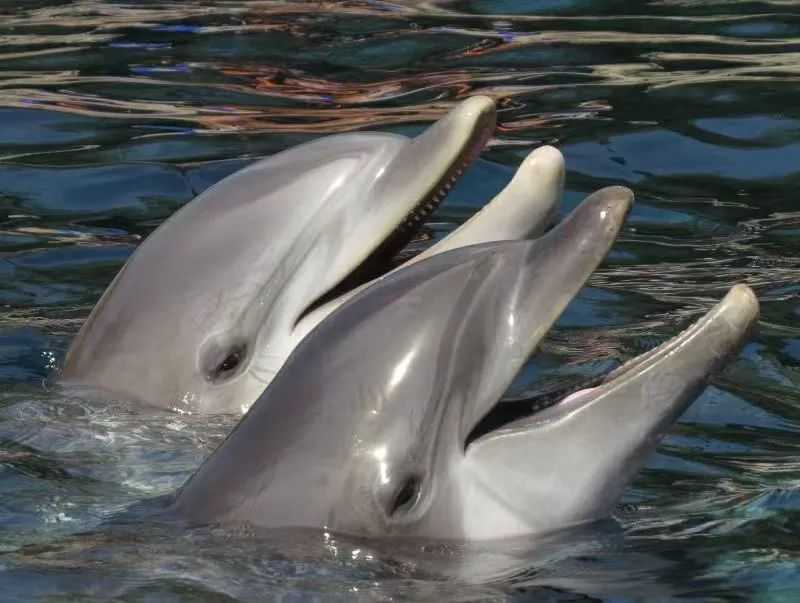
The Friendly Faces of the Sea: Bottlenose Dolphins
Widely distributed in tropical to temperate oceans, bottlenose dolphins (Tursiops truncatus) are beloved for their intelligence and approachable demeanor. Ranging from 2 to 4 meters in length, these marine mammals feed primarily on fish and squid, navigating coastal waters and open seas with remarkable agility. Their iconic appearance and social nature make them a favorite among marine enthusiasts worldwide.
The Dapper "Gentlemen" of the Antarctic: Chinstrap Penguins
Inhabiting the windswept islands surrounding Antarctica, chinstrap penguins (Pygoscelis antarctica) are small yet striking birds perfectly adapted to life in the harsh southern polar region. Standing about 70 centimeters tall, these penguins thrive on a diet of krill and small fish, navigating icy waters and rocky shores with equal ease. Their distinctive appearance makes them one of the most recognizable species in the Antarctic ecosystem.

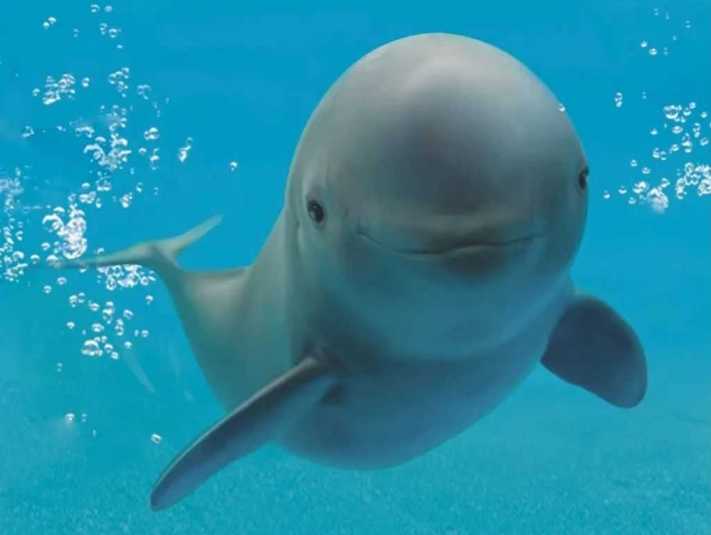
The "Giant Panda of the Water": Yangtze Finless Porpoises
In the waters of the Yangtze River and its coastal regions dwells a diminutive cetacean known as the Yangtze finless porpoise, revered as the "giant panda of the water." Measuring about 1.5 meters in length, this critically endangered species is a national first-class protected animal, with its population teetering on the edge of survival. Its unique appearance and ecological significance make it a symbol of urgency for freshwater conservation.
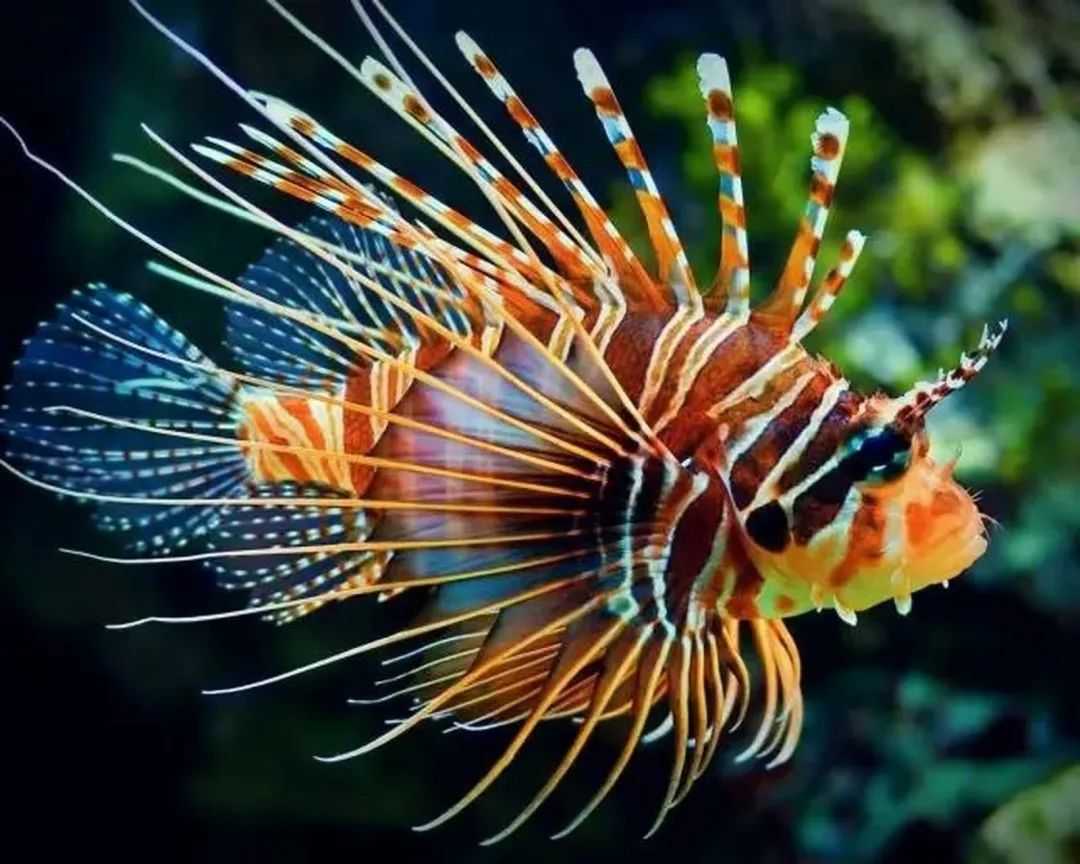
The Poisonous Beauty of the Reefs: Lionfish
In the warm waters of tropical and temperate regions, the lionfish, or Pterois, is a striking inhabitant of coral reefs. Growing to around 30 centimeters in length, this carnivorous fish commands attention not only for its predatory nature but also for its flamboyant appearance. As it glides among the coral, it stands out as both a marvel and a cautionary presence in the marine ecosystem.
The Enchanting Sea Horses: Nature’s Miniature Marine Marvels
While it’s no secret that sea horses aren’t horses, these captivating creatures have long charmed observers with their whimsical appearance and unique behaviors. Belonging to the Syngnathidae family of bony fish, sea horses inhabit tropical and temperate shallow waters, ranging in size from 5 to 30 centimeters. Unlike most fish, they boast a suite of adaptations that make them stand out as true oddities of the ocean.