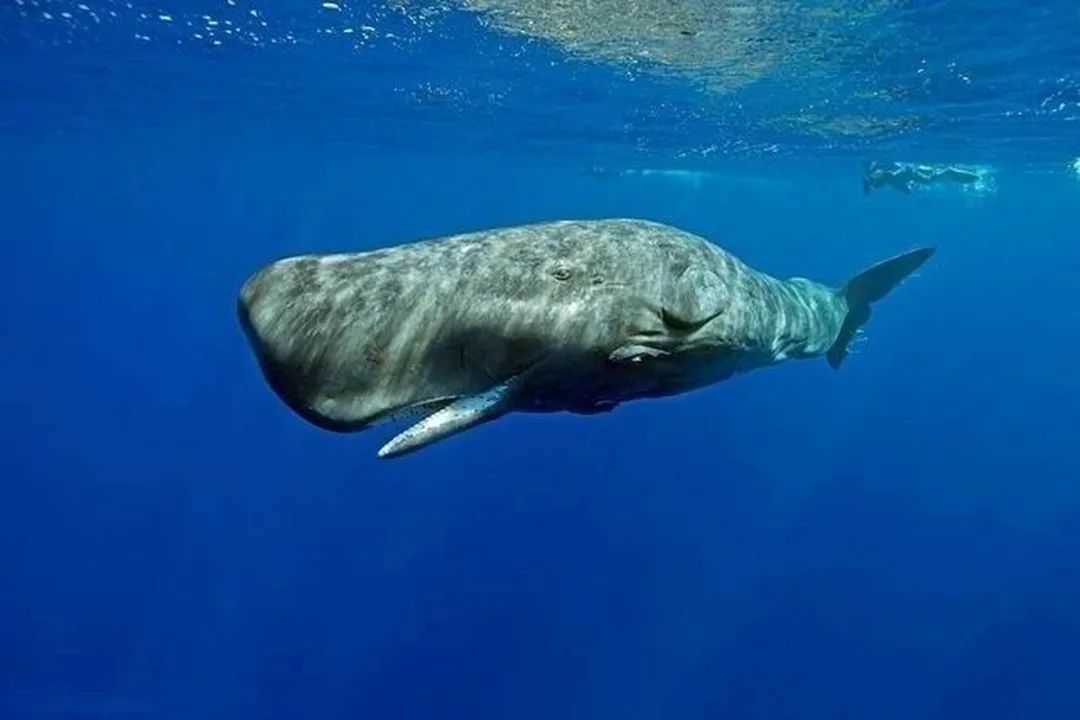
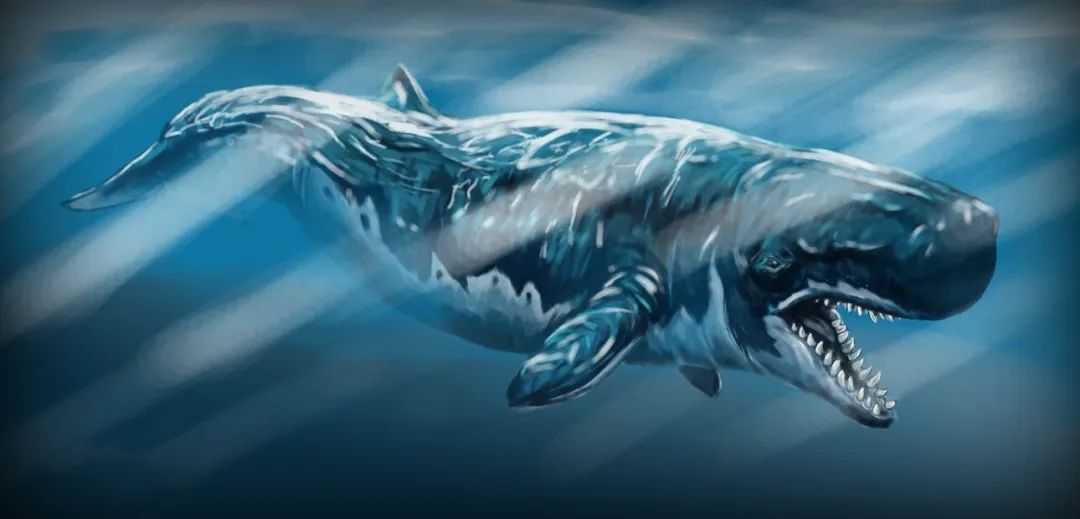
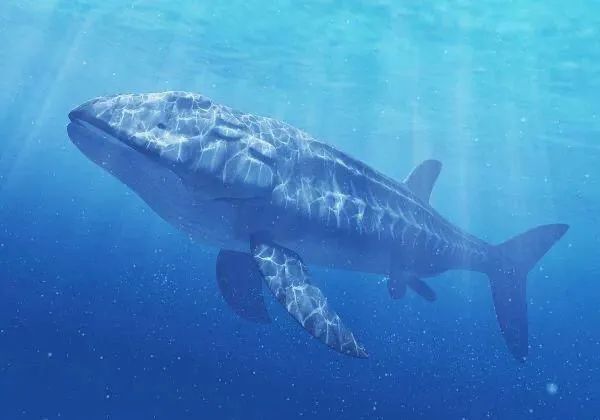
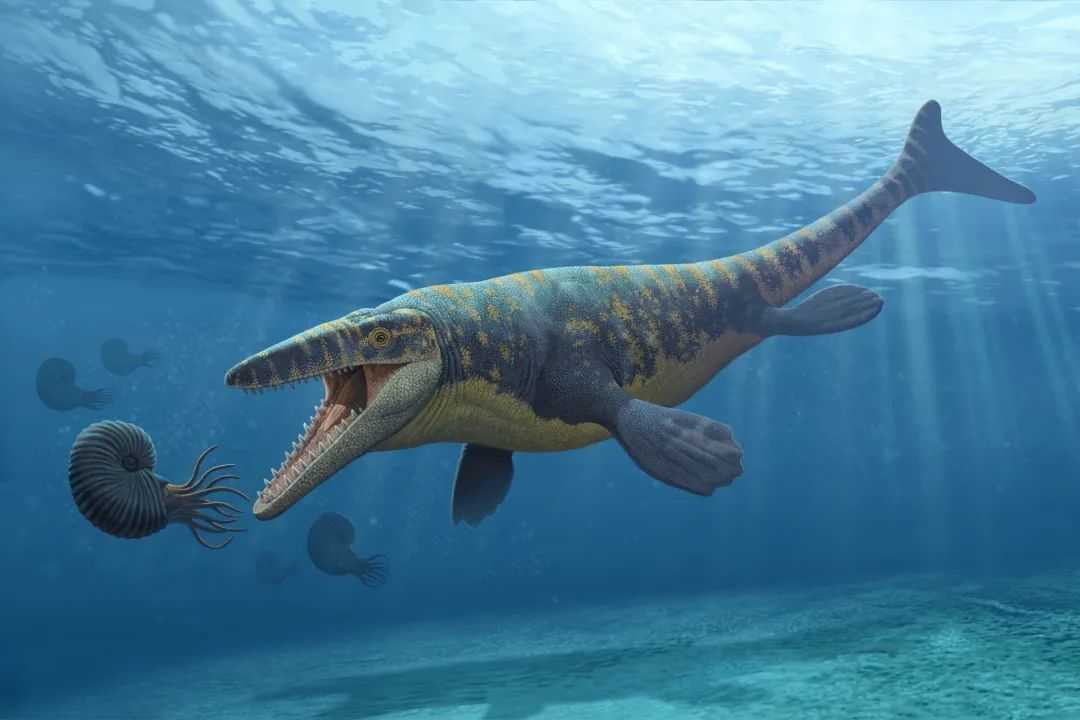
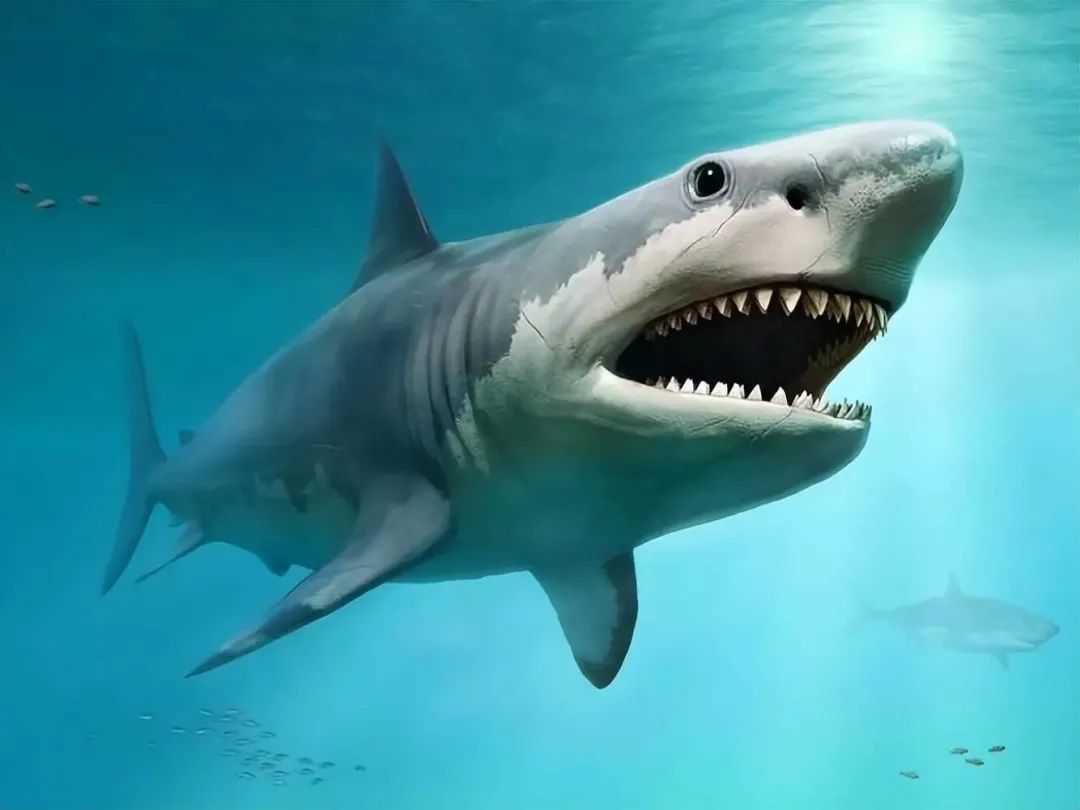
Basilosaurus: The Prehistoric Whale That Dominated Ancient Seas
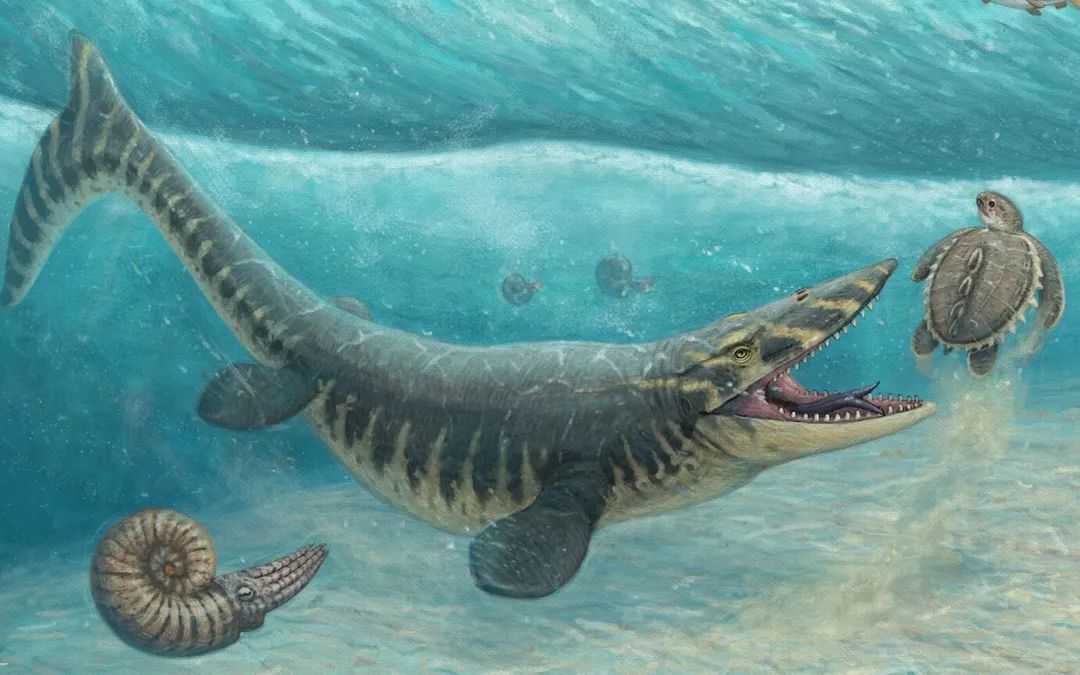
Stretching over 20 meters in length, Basilosaurus stands as a legendary ancestor of modern whales and the undisputed ruler of oceans 30 million years ago during the Eocene epoch. Often referred to as the "king of whales," this colossal marine reptile-turned-mammal combined an imposing physique with unique hunting strategies, making it a formidable force in its prehistoric ecosystem.

Trachyphyllia Geoffroyi: The Enigmatic "Eight-Shaped" Brain Coral of Tropical Reefs
Trachyphyllia geoffroyi, commonly known as the open brain coral or "eight-shaped" brain coral, is a striking representative of the Merulinidae family within the class Anthozoa. Thriving in the shallow tropical sands and reef zones of Indonesia and other warm coastal regions, this coral earns its name from its skeletal structure, which famously resembles the numeral "8." Unlike many corals, its growth pattern transforms a simple conical base into a complex, symmetrical form that captivates both scientists and enthusiasts.
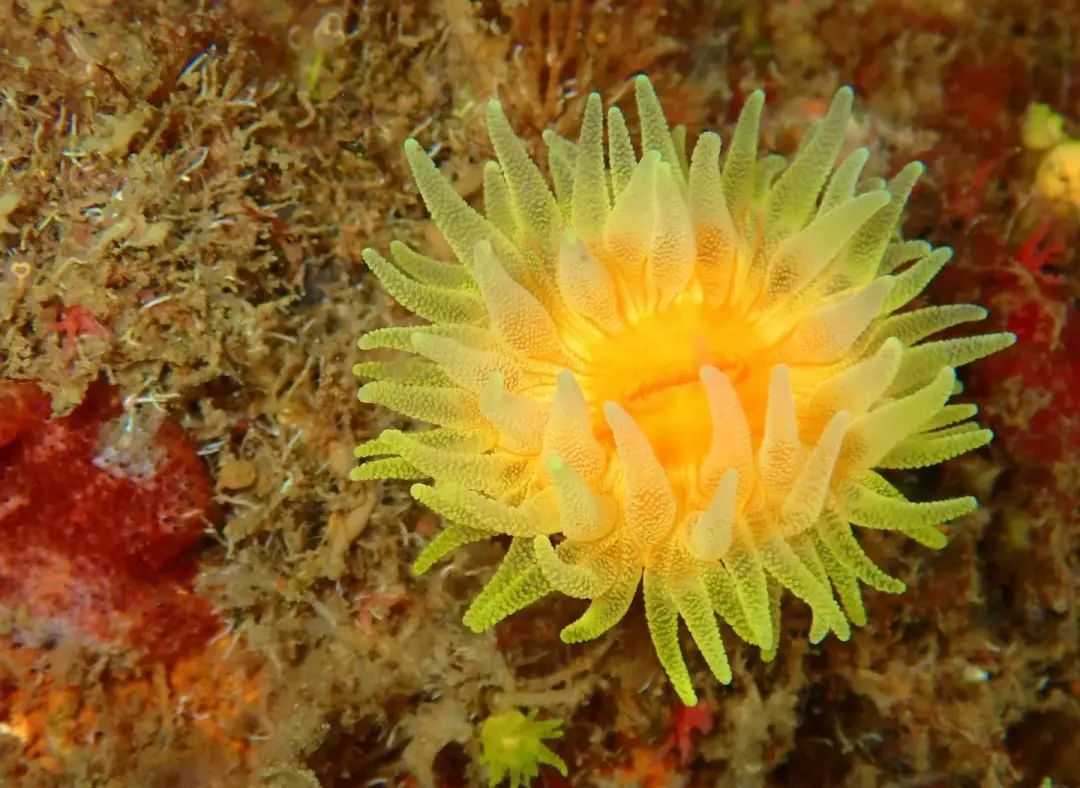
Sarcophyton: The Captivating Leather Mushroom Coral of the Reefs
Sarcophyton, commonly known as the leather mushroom coral or fleshy soft coral, is a highly prized species in the soft coral family, celebrated for its striking appearance and popularity among aquarium enthusiasts. Thriving in tropical marine environments, this coral earns its nickname from its unique texture and shape: a short, robust trunk supports a top resembling a folded leather disk or undulating wave, evoking the look of a natural umbrella or sculpted fabric beneath the waves.
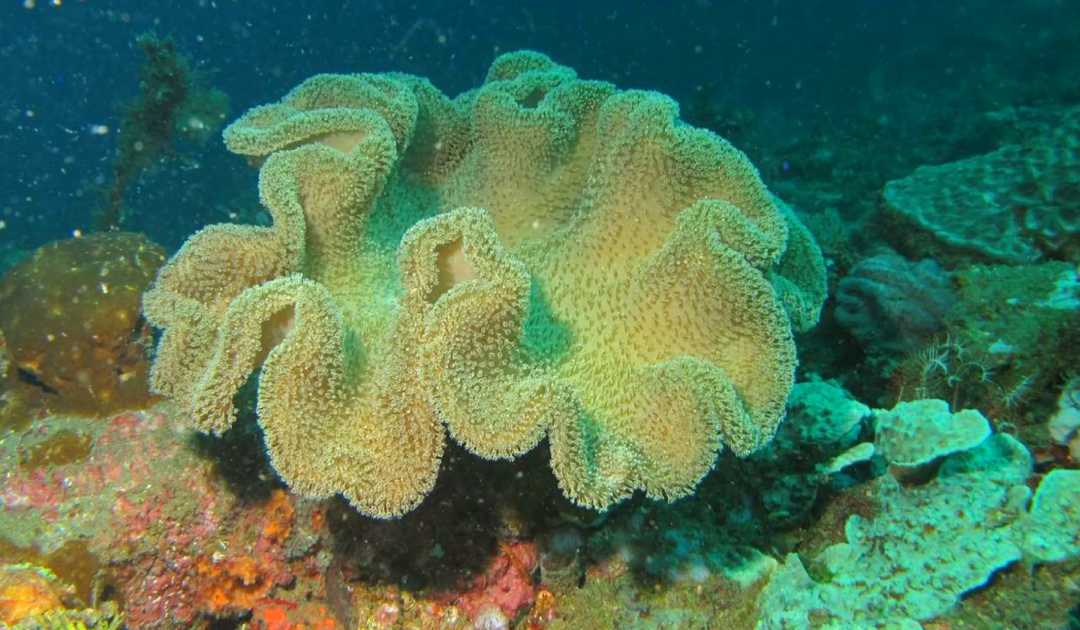
Sinularia asterolobata: The Graceful "Finger Coral" of Tropical Reefs
Sinularia asterolobata, a popular species in the aquarium trade, belongs to the Alcyonacea order within the soft coral family, thriving in the vibrant ecosystems of the Red Sea to the Pacific Ocean. Found in strong-current coral reefs at around 10 meters depth, this marine organism earns its common name from its distinctive morphology: fleshy, rounded structures that resemble a cluster of upturned fingers extending from the ocean floor.
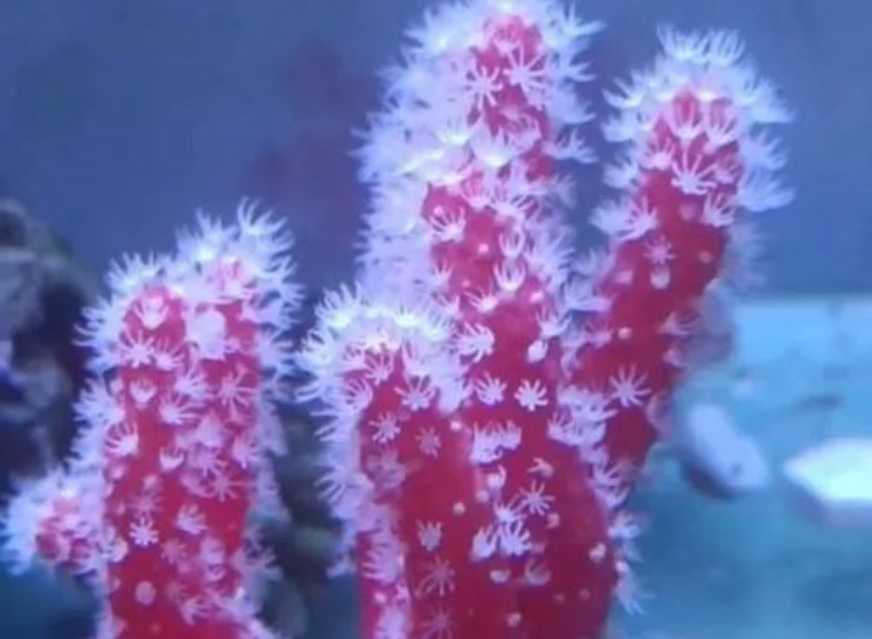
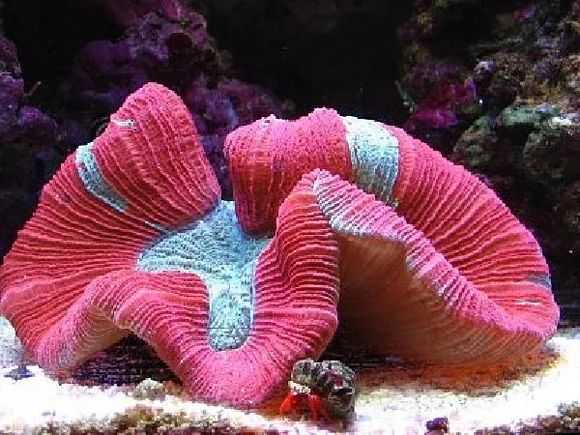
Trachyphyllia geoffroyi: The Living Underwater Masterpiece of the Indian-Pacific
Trachyphyllia geoffroyi, a marine marvel within the order Scleractinia of the phylum Cnidaria, thrives in the reefs and sandy substrates of the Indian-Pacific Ocean. Capable of growing up to an astonishing 1.8 meters, this coral species captivates with its distinct appearance, earning its name from a striking resemblance to the intricate folds of the human brain. Its unique structure and vibrant hues make it a standout inhabitant of the ocean’s depths.
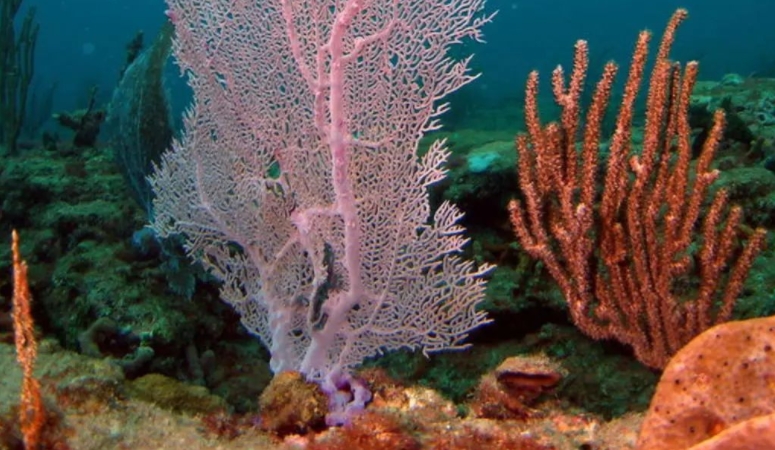
Melithaea spp.: The Graceful Fan Corals of Tropical Reefs
Melithaea spp., members of the Gorgoniidae family, inhabit the warm reef slopes and caves of the Indo-Pacific Ocean, thriving at depths of 10 to 40 meters. Named for their striking resemblance to unfolded folding fans, these corals are among the most elegant inhabitants of the marine world, blending intricate architecture with vibrant colors to create living masterpieces beneath the waves.
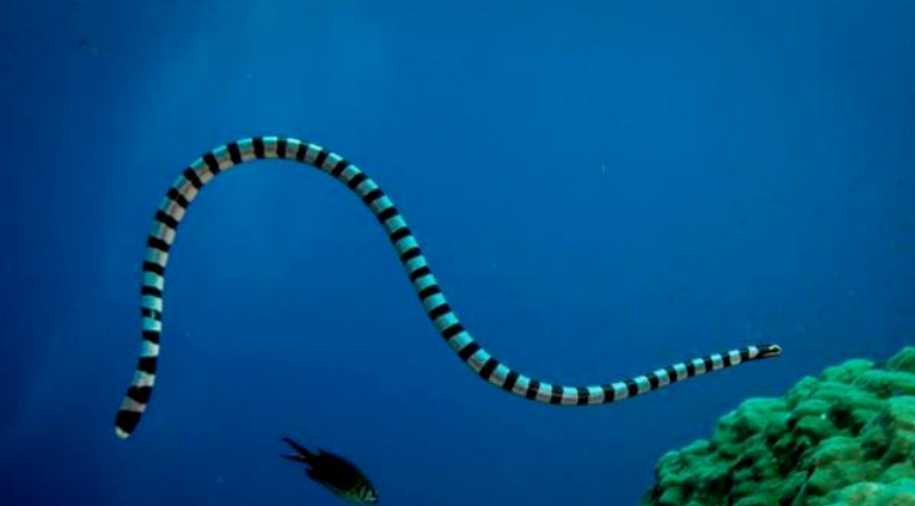
Sea Snakes: Elusive and Venomous Reptiles of the Ocean Depths
Sea snakes, aquatic reptiles adapted to life in marine environments, are among the most fascinating yet misunderstood creatures of the sea. These serpents, closely related to terrestrial cobras, possess a unique set of adaptations that allow them to thrive in saltwater, from paddle-like tails for swimming to specialized glands that excrete excess salt. However, their most renowned feature is their potent venom, a survival tool that has both intrigued and terrified humans for centuries.
Barracudas: Swift and Formidable Predators of the Open Seas
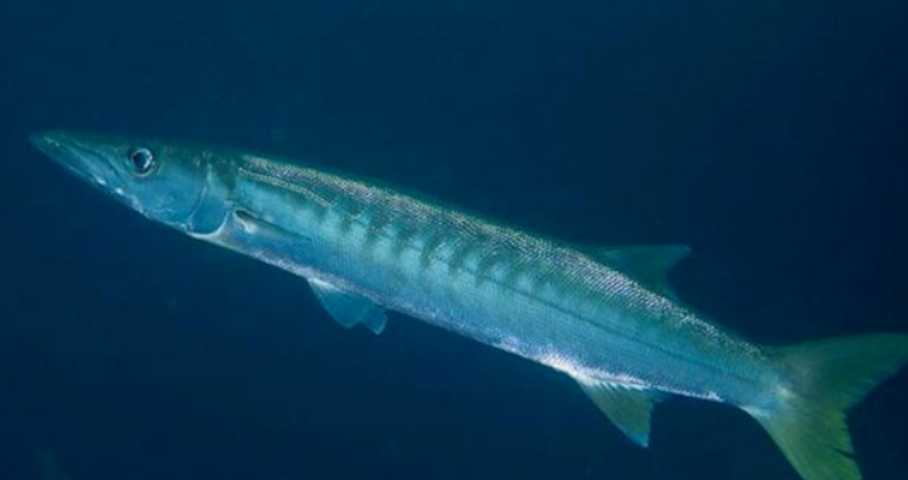
Barracudas are renowned for their lightning-fast swimming speed and sleek, serpentine bodies, making them one of the ocean’s most efficient hunters. With elongated forms resembling aquatic snakes and rows of razor-sharp teeth that rival those of piranhas, these fish cut an intimidating figure in tropical and subtropical waters worldwide. Their streamlined physique and powerful tails allow them to accelerate rapidly, often reaching speeds of up to 40 kilometers per hour, enabling sudden, devastating strikes on unsuspecting prey.